
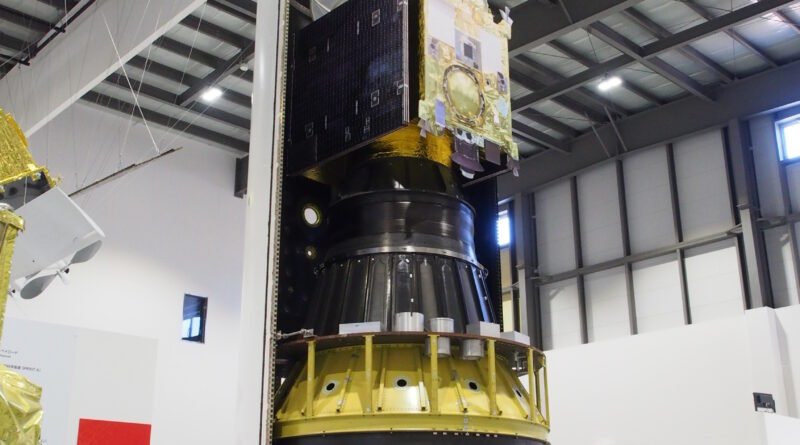
Japan Asteroid Probe: Is This the Worst Engine Loss Ever?
Japan asteroid probe has lost its last working engine, prompting engineers to devise a clever solution to salvage the mission’s objectives.
What Happened to the Japan Asteroid Probe?
The Japan asteroid probe, known for its groundbreaking mission to collect samples from distant asteroids, has encountered a significant setback. Recently, the probe lost its last working engine, raising concerns among engineers and scientists about the future of the mission. This loss has been described by some as potentially the worst engine loss ever experienced in a space exploration context.
The probe’s mission was to navigate to the asteroid and gather crucial data, which could provide insights into the origins of the solar system. However, the unexpected failure of the engine has left mission planners scrambling for solutions. Fortunately, engineers have proposed a clever fix that may allow the probe to continue its journey despite the engine setback.
Key points about the situation include:
- The Japan asteroid probe was designed to return samples from asteroids, which are vital for understanding cosmic history.
- The loss of the last working engine poses challenges to the probe’s ability to maneuver effectively.
- Engineers are exploring innovative solutions to restore functionality to the probe.
- This incident highlights the risks involved in deep-space missions, where technology must perform flawlessly over long durations.
As the team works on a fix, the scientific community watches closely, hopeful that the Japan asteroid probe can recover and fulfill its mission objectives.
Engine Failure: Causes and Implications
The recent engine failure of the Japan asteroid probe has raised significant concerns among engineers and scientists. The probe, which had been an ambitious endeavor to explore the mysteries of asteroids, lost its last working engine, leading to a critical situation for the mission.
The primary causes of this failure appear to be linked to a combination of factors:
- Design Flaws: Initial assessments suggest that certain design aspects may not have been adequately tested under extreme conditions.
- Material Fatigue: Prolonged exposure to harsh space conditions could have weakened the engine components over time.
- Unexpected Debris: Encountering unforeseen space debris during its journey may have contributed to the engine’s malfunction.
The implications of this failure are profound. The Japan asteroid probe was designed not just to gather data but also to return samples to Earth, a mission that could provide invaluable insights into the origins of our solar system. With the loss of its engine, the probe faces an uncertain future, and the scientific community is anxiously awaiting updates from the engineers.
In light of this setback, engineers are working on a clever fix that could potentially salvage the mission. The innovative solutions being proposed may help the probe regain some functionality, though the challenges ahead remain daunting.
Engineers’ Clever Fix Explained
The recent engine failure of Japan’s asteroid probe has raised concerns among engineers and scientists. However, a clever fix has been proposed to address the challenges posed by the loss of the last working engine. This innovative solution involves a series of adjustments that could potentially salvage the mission and allow the probe to continue its journey.
One of the key components of the engineers’ strategy is to utilize the probe’s remaining systems more efficiently. By optimizing the use of auxiliary thrusters, engineers aim to create a makeshift propulsion system. This approach leverages the probe’s existing hardware in a way that was not originally intended, showcasing the ingenuity of the team working on the project.
Additionally, engineers are looking into the possibility of using gravitational assists from nearby celestial bodies. This technique could help regain some of the lost momentum and redirect the probe toward its intended destination. The team is also assessing the potential impact of this fix on the probe’s overall trajectory and mission objectives.
In summary, while the engine failure of Japan’s asteroid probe presents significant challenges, the creative solutions being explored could turn what seems like a dire situation into an opportunity for scientific discovery. As engineers continue to refine their approach, the mission’s future remains uncertain but hopeful.
Future of the Japan Asteroid Mission
The future of the Japan asteroid probe hangs in the balance following the recent engine failure. Despite this setback, engineers remain optimistic about the mission’s potential. They have devised a clever fix that may allow the probe to continue its exploration of asteroid materials.
Key factors influencing the trajectory of the mission include:
- Engine Repair: The successful implementation of the proposed fix could restore some functionality to the probe, enabling it to perform necessary maneuvers.
- Mission Objectives: Even with limited capabilities, the primary goals of studying asteroid composition and gathering data may still be achievable.
- Resource Allocation: Japan’s space agency will need to assess how to allocate resources effectively to support the mission moving forward.
- Public Interest: The Japan asteroid probe has garnered significant public attention, which may influence funding and support for continued operations.
As engineers work diligently to address the challenges posed by the engine loss, the scientific community watches closely. The mission’s future could provide invaluable insights into the origins of our solar system, making it crucial to explore every possible avenue for recovery.
Ultimately, the Japan asteroid probe’s journey may serve as a testament to human ingenuity in the face of setbacks, proving that even in the cosmos, hope remains alive.
Impact on Space Exploration
The recent loss of the last working engine in Japan’s asteroid probe raises significant concerns regarding the impact on space exploration. This event not only jeopardizes the current mission but also poses broader implications for future asteroid exploration endeavors.
Experts are now evaluating the potential repercussions on upcoming missions. Some key points to consider include:
- Resource Allocation: With the engine failure, funding and resources may be redirected to salvage the Japan asteroid probe, potentially delaying other planned missions.
- Technological Development: The incident highlights the need for advancements in propulsion technology. Engineers are now revisiting the design of propulsion systems to prevent similar failures in future missions.
- International Collaboration: This situation may prompt collaborative efforts between space agencies. Sharing knowledge and technologies could enhance the reliability of future probes.
- Public Interest and Support: The loss may affect public perception of space exploration. Maintaining interest and support will be crucial in ensuring continued funding and enthusiasm for upcoming missions.
Ultimately, while the loss of the Japan asteroid probe’s engine is a setback, it serves as a valuable learning opportunity for the global scientific community. Adjustments and improvements resulting from this incident could lead to more resilient and successful missions in the future.
Lessons Learned from the Incident
The recent incident involving the Japan asteroid probe has sparked a wave of discussions surrounding the lessons learned from such unexpected challenges in space exploration. As engineers and scientists analyze the circumstances leading to the engine loss, several key takeaways have emerged.
- Importance of Redundancy: The failure of the last working engine highlights the necessity for multiple backup systems in spacecraft design. Future missions may prioritize redundancy to ensure that a single point of failure does not jeopardize the entire mission.
- Enhanced Monitoring Systems: Real-time monitoring and diagnostics are crucial. Implementing more sophisticated tracking systems could help identify potential issues before they escalate into critical failures.
- Collaboration Across Disciplines: The response to the engine loss demonstrated the value of interdisciplinary collaboration. Engineers, scientists, and mission planners worked together to devise the clever fix, showcasing how diverse expertise can lead to innovative solutions.
- Public Engagement: Transparent communication about challenges faced by the Japan asteroid probe has fostered public interest and support for space exploration. Engaging the public through educational initiatives can build a stronger foundation for future missions.
In conclusion, while the loss of an engine is a setback, the experience gained from this incident will undoubtedly shape the design and execution of future space missions.
Public Reaction to the News
The news of the Japan asteroid probe losing its last working engine has sparked a diverse range of reactions from the public. Many space enthusiasts expressed disappointment over the setback, especially considering the probe’s significant role in advancing our understanding of asteroids and their potential resources.
On social media, users shared their thoughts:
- Disappointment: Some users lamented the loss, stating that it feels like a major setback for Japan’s ambitious space exploration efforts.
- Support for Engineers: Others praised the engineers for their innovative solutions, emphasizing that setbacks are a part of space exploration.
- Calls for Transparency: Several commenters urged for more transparency from the Japan Aerospace Exploration Agency (JAXA) regarding the incident and future plans for the probe.
In online forums, discussions continued about the implications of this failure. “It’s critical that we learn from this experience to avoid similar issues in future missions,” one user noted. Others pointed out the importance of perseverance in the face of challenges, echoing the sentiment that failures can lead to greater achievements.
As the public closely follows updates on the Japan asteroid probe, the hope remains that the ingenuity and determination of the engineers will lead to a successful resolution, allowing the mission to continue its vital work in space exploration.
By Kestrel via Openverse