
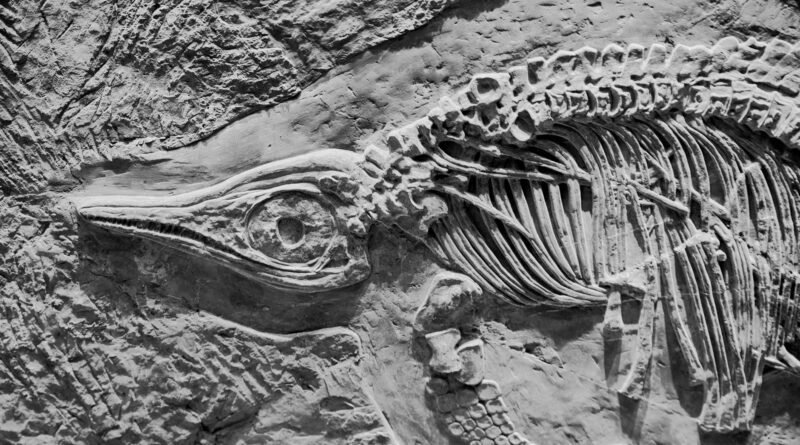
Jurassic mammaliaform swimmer: A Clear Transformation Insight
The Jurassic mammaliaform swimmer showcases significant evolutionary changes. This discovery sheds light on the transformation of the mammalian pharynx, providing insight into ancient adaptations.
Understanding the Jurassic Mammaliaform Swimmer
The discovery of a Jurassic mammaliaform swimmer provides significant insights into the evolutionary transformation of early mammals. These prehistoric creatures exhibit unique adaptations that distinguish them from their reptilian ancestors. Researchers have identified key features that highlight the transition from land-dwelling to aquatic lifestyles.
Among the notable adaptations are:
- Streamlined bodies: These swimmers possessed elongated, hydrodynamic shapes that enhanced their ability to navigate through water.
- Modified limbs: Their forelimbs evolved into flippers, aiding in propulsion and steering.
- Respiratory adaptations: The pharyngeal structure of these mammaliaforms underwent significant changes, facilitating breathing while submerged.
These findings reveal how the Jurassic mammaliaform swimmer played a pivotal role in the evolution of modern mammals, shedding light on the complex pathways that led to the diversity of species we see today. Understanding these transformations not only enriches our knowledge of mammalian history but also emphasizes the intricate relationship between environmental changes and evolutionary adaptations.
The Evolution of the Mammalian Pharynx
The evolution of the mammalian pharynx has been a pivotal aspect in understanding the adaptations of early mammals. Recent discoveries regarding the Jurassic mammaliaform swimmer have shed light on how these ancient creatures transitioned from land to aquatic environments. This transition is not merely a shift in habitat but represents significant anatomical changes that facilitated new feeding and breathing mechanisms.
Researchers have identified several key adaptations in the pharynx of these early mammals, including:
- Structural modifications: Changes in the cartilage and muscle arrangement allowed for more efficient movement.
- Feeding adaptations: The altered pharyngeal architecture enabled a broader range of feeding techniques, crucial for survival in an aquatic setting.
- Respiratory efficiency: Enhanced breathing mechanisms supported prolonged underwater activity, showcasing a remarkable evolutionary response.
These findings contribute to a deeper understanding of how the Jurassic mammaliaform swimmer adapted to its environment, marking a significant chapter in the evolutionary history of mammals.
Key Discoveries in Paleontology
The recent discoveries surrounding the Jurassic mammaliaform swimmer have shed light on the evolutionary adaptations of early mammals. Paleontologists have unearthed several key fossils that illustrate the anatomical changes these creatures underwent in their aquatic environments. Notable findings include:
- Streamlined Bodies: Fossils show adaptations that suggest a shift towards more hydrodynamic shapes, allowing for efficient swimming.
- Enhanced Limb Structures: The development of limb morphology indicates a transition from terrestrial locomotion to a more effective paddling technique.
- Pharyngeal Modifications: Changes in the pharyngeal structure hint at advancements in respiratory systems, crucial for an aquatic lifestyle.
These discoveries not only highlight the physical transformations of the Jurassic mammaliaform swimmer but also provide insights into the broader narrative of mammalian evolution, showcasing how environmental pressures can drive significant anatomical change.
Implications for Mammalian Evolution
The discovery of the Jurassic mammaliaform swimmer offers significant implications for our understanding of mammalian evolution. This unique creature, with its anatomical adaptations for aquatic life, highlights the diversity within early mammaliaforms and their ecological niches.
Researchers note that the features observed in this swimmer suggest a transition phase between terrestrial adaptations and those suited for life in water. Such findings provide insight into the evolutionary pressures faced by early mammals, illustrating how environmental changes can drive anatomical transformations.
Furthermore, the study of this swimmer emphasizes the importance of examining fossilized remains to discern the characteristics of the mammalian pharynx over time. This evolution is crucial for understanding how early mammals adapted to various environments, ultimately shaping the lineage that led to modern mammals.
The implications of these discoveries extend beyond mere anatomical changes; they also inform us about the behavioral adaptations that early mammaliaforms may have developed as they navigated their changing habitats.
Photo by Suki Lee on Pexels