
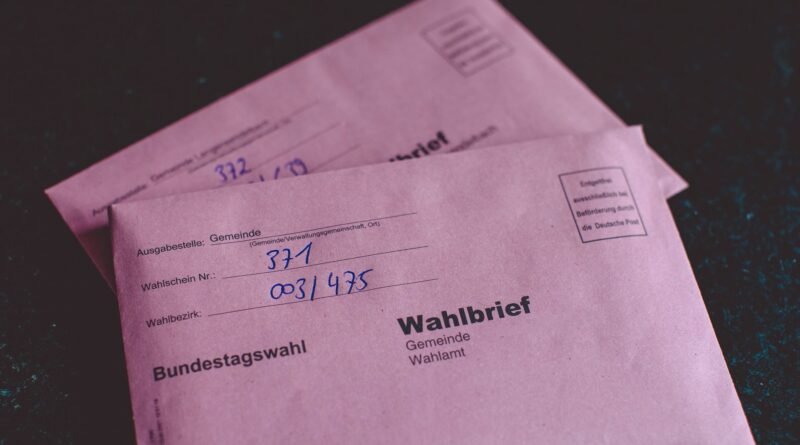
Germany far right election: Worst Results Yet in Key Race
Germany far right election results have shown the party topping a key state race, yet they fall short of gaining actual power, reflecting changing dynamics.
Overview of the Election Results
The recent election in Germany has highlighted a concerning trend within the political landscape, as the far right party secured its worst results yet in a key race. Voter turnout remained significant, yet the anticipated surge for the far right did not materialize as expected.
Despite strong campaigning and heightened media attention, the far right party struggled to appeal to a broader electorate. Key factors influencing the election results included:
- Voter Fatigue: Many citizens expressed exhaustion with extreme political rhetoric and sought stability over polarization.
- Economic Concerns: The electorate’s focus on pressing economic issues overshadowed the far right’s agenda, driving voters to more centrist parties.
- Coalition Dynamics: Traditional parties have started forming strategic alliances to counterbalance the far right’s influence, resulting in a fragmented opposition.
- Local Issues: Many voters prioritized local concerns, which the far right failed to adequately address.
As the dust settles from this election, analysts are left to ponder the implications for future political dynamics in Germany. The far right may still hold a place in the political discourse, but its path to power appears to be more challenging than ever.
Key Takeaways from the Race
The recent election in Germany has brought several significant outcomes to light, particularly concerning the performance of the far-right party. Here are the key takeaways from the race:
- Record Low Support: The far-right party faced its worst results yet in a key race, indicating a potential decline in public support.
- Voter Turnout: While overall voter turnout was robust, the far-right’s voter base appeared less motivated compared to previous elections.
- Shifts in Alliances: Traditional political alliances are being tested, with some parties reconsidering their strategies in light of the far-right’s impact on local politics.
- Focus on Issues: The election highlighted that voters are increasingly prioritizing local issues over the broader national narrative pushed by far-right candidates.
- Future Implications: Analysts suggest that the disappointing results for the far right may alter their approach in upcoming elections, potentially leading to a more moderate stance to regain lost support.
In summary, the far-right election results in Germany signal a changing political landscape, with implications that could resonate beyond state lines. The upcoming months will be critical as parties adapt to these emerging dynamics.
Impact on Future Elections
The recent election results in Germany have raised significant concerns regarding the influence of far-right parties in the political landscape. As parties assess the outcome, the implications for future elections are becoming increasingly clear.
Analysts suggest that the far-right may have peaked in this key race, indicating a potential ceiling on their support. This trend could impact their strategies moving forward, as they must recalibrate their messaging to attract a broader base. Voter sentiment appears to be shifting, with many expressing dissatisfaction with extreme positions.
In particular, the following factors may shape future electoral dynamics:
- Voter Turnout: A noticeable decline in turnout among younger voters indicates a disengagement from far-right rhetoric.
- Coalition Politics: The inability of far-right parties to secure power may encourage traditional parties to form stronger coalitions to prevent further gains.
- Public Sentiment: Increased focus on social issues and economic stability could shift priorities away from far-right platforms.
As Germany looks ahead, the implications of this election will undoubtedly influence party strategies and the overall political climate, prompting a reevaluation of how far-right ideologies resonate with the electorate.
Voter Sentiment Analysis
As the dust settles on the recent election, voter sentiment analysis reveals significant insights into the motivations behind the electorate’s choices. Germany’s far right election campaign, marked by polarizing rhetoric, has resonated with a portion of the population, yet it has also sparked considerable backlash.
According to recent surveys, several key factors influenced voter decisions:
- Economic Concerns: Many voters expressed anxiety over rising living costs and economic stability, leading them to consider far-right parties that promised stringent fiscal policies.
- Immigration Policies: The ongoing debate surrounding immigration has played a significant role, with some voters gravitating towards far-right candidates who advocate for stricter controls.
- National Identity: A sense of cultural preservation emerged as a recurring theme, as certain voters feared that traditional German values were under threat from globalization.
- Distrust in Established Parties: A notable portion of the electorate voiced dissatisfaction with mainstream political parties, believing they have failed to address pressing issues effectively.
Despite the far right’s gains, the overall voter sentiment indicates a complex landscape where support for these parties does not translate into unmitigated approval. Many citizens remain wary of the implications of their rise, showcasing a divided yet engaged electorate.
Responses from Political Leaders
Political leaders across Germany have expressed a range of reactions following the far right election results, which marked some of the worst performances for traditional parties in key regions. Many are concerned about the shifting political landscape and the implications it holds for the future.
- Chancellor Olaf Scholz emphasized the need for unity among democratic forces to counteract the rise of extremist ideologies. He stated, “We must come together to uphold our democratic values and ensure that such parties do not gain further traction.”
- Opposition Leader Friedrich Merz acknowledged the challenges faced by mainstream parties, noting, “The results are a wake-up call for all of us. We cannot ignore the concerns of voters who feel left behind.”
- Greens Co-leader Ricarda Lang called for introspection within the party, saying, “We must listen to the citizens and address their needs, or we risk further alienation.”
- Left Party Chair Janine Wissler condemned the results, asserting that the far right election outcome reflects a deeper societal issue. She remarked, “We must confront the root causes of discontent rather than allowing extremist narratives to flourish.”
As Germany navigates this pivotal moment, the responses highlight a collective urgency to address the challenges posed by the far right movement.
Comparative Analysis with Previous Elections
In examining the recent election results, it is essential to conduct a comparative analysis with previous elections to understand the trend of the far right in Germany. Historically, the far-right parties have experienced fluctuating support, with notable gains in previous years. However, this election marked a significant downturn in their performance, as they achieved their worst results yet in a key race.
To illustrate these changes, consider the following:
- 2017 Federal Elections: The far-right Alternative for Germany (AfD) secured 12.6% of the vote, marking a significant entry into the Bundestag.
- 2019 European Parliament Elections: The AfD’s support rose to 11%, indicating a growing acceptance among the electorate.
- 2021 Federal Elections: The party maintained around 10.3%, suggesting a plateau in voter support.
- 2023 Key State Race: In a surprising twist, the far right saw a drop to approximately 8%, revealing a potential shift in voter sentiment.
This comparative analysis highlights a crucial moment for the far right in Germany, as voters seem to be reconsidering their alignment with these parties. The decline in support could signal a broader rejection of far-right ideologies, impacting future elections and the political landscape significantly.
Public Reactions and Protests
In the wake of the recent election results, public reactions have been swift and varied, highlighting deep divisions within society. Many citizens expressed outrage over the performance of the far right, which has been a growing concern in Germany for years. Protesters gathered in several cities, carrying signs that read, “No to Hate” and “Unity in Diversity.”
Demonstrations were particularly prominent in Berlin, where thousands took to the streets to voice their discontent. Activists aim to raise awareness about the implications of the election, emphasizing the need for solidarity against extremist ideologies. “This is not just about numbers; it’s about the future of our society,” stated one protest organizer.
Moreover, some citizens took to social media platforms to express their feelings. Many shared personal stories of how the rise of the far right in Germany affects their daily lives. The sentiment ranged from fear to anger, with a strong call for unity among progressives to counteract the growing influence of far-right parties.
As the country grapples with these results, discussions about addressing the root causes of far-right support are underway. Analysts suggest that engaging communities and promoting inclusive policies may be essential steps toward fostering a more cohesive society.
What’s Next for the Far Right?
The recent election results have raised significant questions about the future of the far right in Germany. Despite achieving their best results yet in key races, the far right has not secured enough power to influence major policy decisions. This outcome suggests that while there is a growing base of support, it remains fragmented and lacks the unity necessary for substantial political leverage.
In the coming months, several factors will play a critical role in shaping the trajectory of the far right:
- Party Cohesion: The far right must work towards greater internal unity to capitalize on their electoral gains. Disparities in ideology and strategy among factions could hinder potential advancements.
- Public Perception: Continued scrutiny of the far right’s policies and rhetoric will influence voter sentiment. Addressing concerns about extremism and inclusivity may be essential for future success.
- Coalition Dynamics: Future coalition-building strategies will be crucial. The far right may need to form alliances with other parties to gain influence, necessitating compromises on key issues.
- Response to Economic Issues: Economic challenges in Germany could either bolster the far right’s agenda or lead to a shift in voter priorities, impacting their appeal in subsequent elections.
As the political landscape evolves, the far right’s next steps will be pivotal in determining their role in Germany’s future elections.
The recent Germany far right election has raised concerns among analysts about the future of political extremism in the country. With the worst results yet in key races, many are questioning the viability of far-right parties in mainstream politics.
Photo by Markus Spiske on Pexels
Read the original
You might also like
Giant Pumpkin Competition: The Best of RHS Show Awaits · Wild bee discovery: Proven nesting aggregation in New York · How Can Consumers Make Informed Choices About Legal Cannabis in British Columbia?