
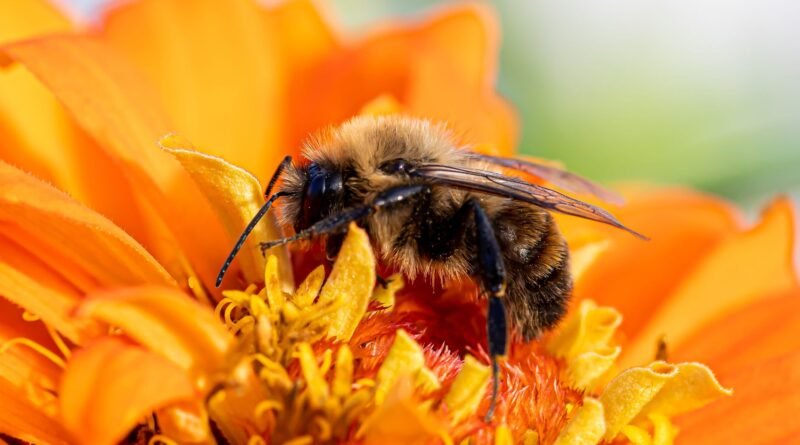
Wild bee discovery: Proven nesting aggregation in New York
The wild bee discovery in New York has revealed an astonishing 5.5 million solitary bees living beneath a cemetery. This finding showcases one of the largest nesting aggregations recorded in such a unique location.
Understanding the Wild Bee Discovery
In a remarkable wild bee discovery, scientists have identified an estimated 5.5 million wild bees inhabiting a small area beneath a New York cemetery. This staggering number represents one of the largest known nesting aggregations of solitary bees, with millions of these vital pollinators residing in underground burrows spread across just 1.5 acres.
The significance of this finding extends beyond mere numbers. Wild bees play a crucial role in our ecosystems, contributing to the pollination of various plants and crops. Their presence in such high density raises important questions about their habitat preferences and the environmental factors that support such an aggregation.
Researchers noted that the nesting sites were primarily located in sandy soil, which is ideal for many solitary bee species. The discovery emphasizes the importance of preserving and understanding urban green spaces, as these areas can harbor unexpected biodiversity.
Scientists believe that the unique conditions of the cemetery, including its limited disturbances and availability of floral resources, may have created a sanctuary for these bees. The study not only highlights the ecological value of urban landscapes but also calls for increased conservation efforts to protect these essential insects.
As the understanding of wild bee populations continues to evolve, this discovery marks a significant milestone in the study of solitary bees, offering new insights into their behavior and habitat needs.
Significance of Solitary Bees
The recent wild bee discovery in New York has profound implications for our understanding of solitary bees and their ecological roles. Solitary bees, unlike their social counterparts such as honeybees, live and nest independently, which allows them to adapt to various environments and conditions.
These bees are crucial for pollinating a significant portion of flowering plants, contributing to biodiversity and food production. The discovery of such a large nesting aggregation highlights the importance of conserving habitats that support these vital pollinators. The underground burrows serve not only as homes but also as protection from predators and harsh weather, creating a safe haven for the bees to thrive.
Furthermore, solitary bees are known for their efficiency in pollination. They often visit a variety of plants, which aids in cross-pollination and enhances seed production. As researchers study this remarkable wild bee discovery, they are likely to uncover more about the specific species involved and how they interact with their environment.
Protecting these nesting sites is essential, as urban development and habitat loss pose significant threats to solitary bee populations. Community awareness and conservation efforts can help preserve these crucial ecosystems. By understanding the significance of solitary bees and their nesting behaviors, we can foster a healthier environment for all pollinators.
How Bees Nest Underground
Bees are known for their important role in pollination, but many people may not be aware of how some species of wild bees nest underground. This unique behavior is particularly evident in solitary bee species, which have been the focus of recent studies following the remarkable wild bee discovery in New York.
Unlike social bees, such as honeybees, solitary bees do not live in colonies. Instead, each female bee typically builds her own nest, often burrowing into the ground. This nesting behavior provides protection from predators and environmental factors. The underground nests can vary significantly in structure, depending on the species.
- Site Selection: Female bees select sandy or loose soil that is easy to tunnel into. The entrance is usually small, making it less visible to potential threats.
- Nest Construction: Once a suitable site is found, the bee excavates a series of tunnels. These tunnels can be several feet long and may branch off into different chambers.
- Egg Laying: After constructing the nest, the female fills the chambers with pollen and nectar, laying her eggs in each one. This ensures that the larvae have a food source when they hatch.
The wild bee discovery in New York highlights the significance of understanding these nesting behaviors, as they play a crucial role in the survival of solitary bees and the overall health of our ecosystems.
Impact on Local Biodiversity
The recent wild bee discovery in New York has significant implications for local biodiversity. Researchers found an astonishing concentration of solitary bees nesting in a confined area, which highlights the importance of urban green spaces for supporting pollinator populations. This finding underscores the role these solitary insects play in maintaining healthy ecosystems.
Solitary bees are crucial for pollination, assisting in the reproduction of various flowering plants. In turn, these plants provide food and habitat for numerous other species, creating a diverse web of life. The nesting aggregation observed in the New York cemetery not only showcases the adaptability of these bees but also illustrates the potential for urban environments to serve as sanctuaries for wildlife.
Moreover, this discovery raises awareness of the threats faced by wild bees, including habitat loss and pesticide use. By recognizing the significance of such aggregations, conservation efforts can be better directed to protect these vital species and their habitats. It becomes essential to promote sustainable practices in urban planning and landscaping that foster biodiversity.
As this wild bee discovery gains attention, it may inspire further research and community engagement in protecting pollinators. Public interest can drive initiatives to create more suitable environments for solitary bees and encourage the planting of native flora, which is essential for their survival.
Research Methods Used
To uncover the remarkable wild bee discovery, researchers employed a combination of field observations and scientific techniques to assess the nesting behavior and population density of these solitary bees. The primary method involved systematic excavation and observation of potential nesting sites within the designated study area.
Researchers conducted thorough site surveys across the 1.5-acre cemetery, utilizing the following methods:
- Soil Sampling: Soil samples were collected to analyze the composition and suitability of the ground for nesting.
- Visual Inspections: Each site was meticulously examined for signs of bee activity, including entrance holes and nesting materials.
- Capture and Release Techniques: Bees were gently captured for identification and then released to minimize disruption to their natural behaviors.
- Population Estimation: Researchers employed statistical models to estimate the total population size based on observed nesting densities.
Additionally, the team documented environmental factors such as soil moisture, temperature, and vegetation cover that could influence nesting success. By integrating these diverse methodologies, scientists gained a comprehensive understanding of the nesting aggregation, highlighting the importance of local habitats in supporting wild bee populations. The findings shed light on the complex interactions within ecosystems and underscore the need for conservation efforts to protect such vital species.
Future of Bee Conservation
The recent wild bee discovery in New York has opened new avenues for understanding and promoting bee conservation efforts. As solitary bees are crucial pollinators, their presence in large numbers signifies a healthy ecosystem and emphasizes the need for targeted conservation strategies.
To ensure the sustainability of these vital insects, several key initiatives are being proposed:
- Habitat Preservation: Protecting natural habitats and restoring degraded areas are essential to provide safe nesting sites for wild bees.
- Public Awareness: Educating communities about the importance of solitary bees can foster a sense of responsibility toward conservation efforts.
- Research Funding: Increased funding for research on bee behavior, ecology, and population dynamics can help identify effective conservation practices.
- Urban Planning: Integrating green spaces in urban development can create more habitats for wild bees, allowing urban areas to support biodiversity.
Moreover, collaboration between scientists, policymakers, and local communities is vital for developing comprehensive conservation programs. The remarkable findings from the New York cemetery highlight the potential for discovering similar aggregations elsewhere, emphasizing the importance of ongoing research in bee conservation. By learning from this wild bee discovery, stakeholders can create informed policies that will protect these essential pollinators for future generations.
The recent wild bee discovery highlights the importance of preserving natural habitats for these essential pollinators. Researchers are excited about the implications of this wild bee discovery for conservation efforts in urban areas.
Photo by Mason McCall on Pexels
References
Related reading
How Can Consumers Make Informed Choices About Legal Cannabis in British Columbia? · University Application Fairness: Concerns Arise Amid Ratios · UGC NET Commerce Re-Exam: Easy Date and Admit Card Details