
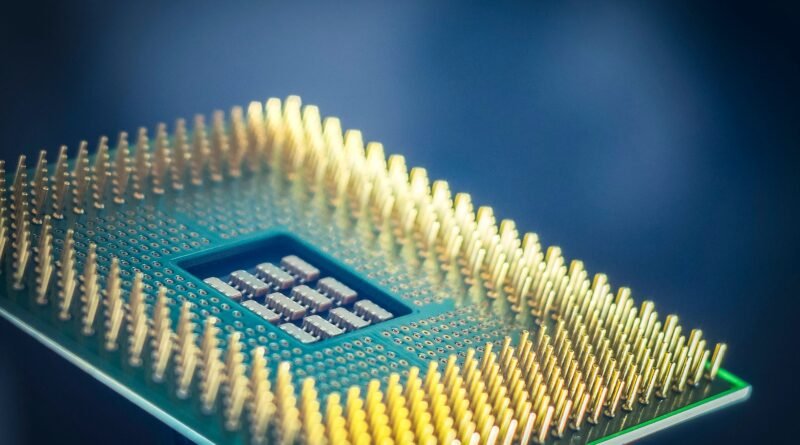
AI Chip Supply Network: Proven Strategies for Growth
The AI chip supply network is becoming increasingly vital for technology advancements. SK Hynix’s recent pledge of $1 billion aims to bolster this network significantly.
Overview of SK Hynix’s Investment
SK Hynix has announced a significant commitment to bolster the AI chip supply network with a pledge of $1 billion. This strategic investment aims to enhance the company’s capabilities in producing advanced semiconductor technologies, which are crucial for the rapidly evolving landscape of artificial intelligence.
The move comes as demand for AI chips surges, driven by the increasing integration of AI technologies across various industries. SK Hynix recognizes the necessity of strengthening its position in the competitive market and ensuring a stable supply chain for AI chip manufacturing.
As part of this initiative, SK Hynix plans to:
- Expand production capacity: The company is set to ramp up its fabrication facilities to meet the growing demand for AI-related applications.
- Invest in research and development: A portion of the funds will be allocated to innovative R&D projects aimed at developing next-generation AI chips.
- Enhance partnerships: SK Hynix intends to collaborate with other tech firms and academic institutions to foster innovation within the AI chip supply network.
This investment signifies SK Hynix’s commitment to maintaining its competitive edge in the semiconductor industry while contributing to the overall growth of the AI chip ecosystem.
Importance of AI Chips in Modern Technology
In today’s rapidly evolving technological landscape, AI chips have emerged as a cornerstone for innovation and efficiency across various industries. As businesses increasingly rely on artificial intelligence to drive productivity, the significance of a robust AI chip supply network cannot be overstated. These chips are integral not only for machine learning and data processing but also for enhancing the performance of devices ranging from smartphones to autonomous vehicles.
The demand for AI chips is surging, fueled by advancements in deep learning, natural language processing, and computer vision. As applications in healthcare, finance, and manufacturing expand, the need for high-performance chips capable of handling complex computations becomes critical. Companies like SK Hynix are recognizing this trend and are making substantial investments to fortify their positions within the supply network.
Moreover, the global competition for AI chip production is intensifying. Countries are prioritizing technology sovereignty, leading to strategic alliances and investments aimed at localizing production. This shift not only secures supply chains but also fosters innovation within domestic markets.
As the reliance on AI technology continues to grow, ensuring a resilient and efficient AI chip supply network will be essential for maintaining competitiveness. By investing in advanced manufacturing and research, companies can better meet the increasing demands of the future.
Challenges in the AI Chip Supply Chain
The AI chip supply network faces several challenges that could hinder its expansion and effectiveness. As the demand for AI technologies skyrockets, the pressure on manufacturers intensifies. Several issues contribute to the complexities in the supply chain.
- Raw Material Shortages: The production of AI chips heavily relies on rare materials such as silicon and certain metals. Global supply disruptions can significantly impact the availability of these essential components.
- Logistical Hurdles: The transportation of materials and finished products often encounters delays due to unforeseen circumstances, including natural disasters and geopolitical tensions. Such disruptions can create bottlenecks in the AI chip supply network.
- Technological Evolution: Rapid advancements in AI technology require constant innovation in chip design and manufacturing. Companies must invest significantly in research and development to keep pace with evolving demands.
- Regulatory Challenges: As governments impose regulations on technology and trade, companies within the supply chain must navigate compliance hurdles, which can slow down production timelines.
Addressing these challenges is crucial for companies like SK Hynix, which are committed to investing heavily in strengthening the AI chip supply network. By tackling these issues head-on, the industry can better meet the growing demand for advanced AI capabilities.
Future of AI Chip Development
The future of AI chip development is poised for significant transformation as companies like SK Hynix invest heavily in strengthening the AI chip supply network. This strategic move not only enhances production capabilities but also addresses the growing demand for advanced computing power in various sectors.
As artificial intelligence continues to evolve, the need for specialized chips designed to handle complex algorithms and large datasets becomes increasingly critical. Industry experts predict that the integration of AI chips into everyday devices will become more prevalent, driving further innovation.
To navigate the challenges posed by the current supply chain, several strategies are emerging:
- Diversification of Suppliers: Companies are seeking a broader range of suppliers to mitigate risks associated with reliance on a single source.
- Investment in R&D: Ongoing research and development efforts are essential for creating more efficient and powerful AI chips that can meet future demands.
- Collaboration with Tech Giants: Partnerships between semiconductor manufacturers and tech companies can lead to better alignment of production capabilities with market needs.
- Focus on Sustainability: As environmental concerns grow, the development of energy-efficient AI chips is becoming a priority.
These strategies will play a crucial role in shaping the landscape of AI chip development, ensuring that supply networks can meet the increasing global demand.
How This Investment Impacts the Industry
The recent pledge of $1 billion by SK Hynix aims to significantly impact the AI chip supply network, a sector that has been gaining momentum in the technology landscape. This investment is poised to address several critical issues that have hampered growth in the industry.
One immediate effect is the enhancement of manufacturing capabilities. By injecting capital into production facilities, SK Hynix plans to increase output and reduce lead times, which is essential for meeting the soaring demand for AI chips across various applications.
Moreover, this substantial investment is expected to catalyze innovation. With greater resources allocated to research and development, companies can explore new architectures and designs that will improve performance and efficiency. This can lead to breakthroughs that benefit not just AI, but also related fields such as machine learning and data analytics.
Additionally, strengthening the AI chip supply network will help mitigate risks associated with supply chain disruptions. By diversifying sourcing strategies and enhancing partnerships with suppliers, SK Hynix aims to build a more resilient ecosystem capable of weathering fluctuations in demand and geopolitical tensions.
Ultimately, this investment will not only solidify SK Hynix’s position as a leader in the AI chip market but also contribute to the overall growth of the technology sector, fostering a ripple effect that benefits various industries reliant on advanced AI solutions.
Insights from Industry Experts
Industry experts emphasize the critical need for a robust AI chip supply network to support the rapid growth of artificial intelligence technologies. According to Dr. Emily Chen, a leading semiconductor analyst, “The demand for AI chips is skyrocketing, and companies must ensure their supply chains are resilient and adaptable.”
In light of SK Hynix’s recent pledge of $1 billion, analysts predict that such investments will not only enhance chip production capabilities but also foster innovation within the sector. “Strategic investments are key to addressing both current shortages and future demands,” says Prof. James Lee, an expert in technology supply chains. “Building strong partnerships between manufacturers and suppliers is essential.”
Experts suggest several strategies to strengthen the AI chip supply network:
- Diversification of Suppliers: Relying on multiple suppliers can mitigate risks associated with disruptions.
- Investment in R&D: Continuous innovation is crucial for staying competitive in the evolving AI landscape.
- Collaboration with Tech Companies: Partnerships with tech firms can streamline the integration of AI chips into various applications.
- Focus on Sustainability: Sustainable practices in chip manufacturing can enhance brand reputation and consumer trust.
By implementing these strategies, companies can better prepare for the future demands of the AI chip market.
Comparing Competitors in AI Chip Production
In the competitive landscape of AI chip production, several key players are vying for dominance, each employing distinct strategies to enhance their positions within the growing AI chip supply network. Notably, companies like NVIDIA and Intel are investing heavily in research and development to innovate their chip designs, focusing on efficiency and performance. This competitive edge enables them to meet the increasing demand for AI capabilities across various sectors.
Another major competitor, AMD, is adopting a different approach by forming strategic partnerships with cloud service providers, ensuring that their chips are optimized for the best possible AI performance in cloud environments. This collaboration not only enhances their product offerings but also strengthens their market presence.
Meanwhile, startups such as Graphcore and Cerebras Systems are disrupting the market by introducing cutting-edge chips specifically designed for AI workloads. Their focus on specialized hardware allows them to cater to niche markets that require high processing power and efficiency, positioning them as formidable challengers to established giants.
As the demand for AI chips continues to rise, it is clear that understanding the competitive landscape and the unique strategies employed by these companies will be crucial for stakeholders in the AI chip supply network. Tracking these developments will provide insights into how companies can adapt and thrive in this rapidly evolving industry.
Conclusion: The Road Ahead for AI Chips
As we look to the future of the AI chip supply network, it is clear that innovation and investment will play pivotal roles in shaping the landscape. With SK Hynix’s recent pledge of $1 billion, the company is not only reinforcing its commitment to AI chip production but also setting a precedent for others in the industry to follow.
The road ahead for AI chips is filled with opportunities, but it also poses significant challenges. Companies must navigate complex supply chains and address the increasing demand for advanced processing power. This requires not only technological innovation but also strategic partnerships that can streamline operations and enhance production efficiency.
Industry experts emphasize the importance of collaboration across various sectors. Key strategies for growth include:
- Investing in research and development to stay ahead of competitors.
- Expanding manufacturing capabilities to meet rising demand.
- Fostering strategic alliances to strengthen supply chain resilience.
In conclusion, while the AI chip supply network presents numerous hurdles, the commitment from companies like SK Hynix signals a robust future. By embracing innovation and collaboration, the industry can ensure sustainable growth and meet the ever-evolving needs of modern technology.
Photo by Jimmy Chan on Pexels