
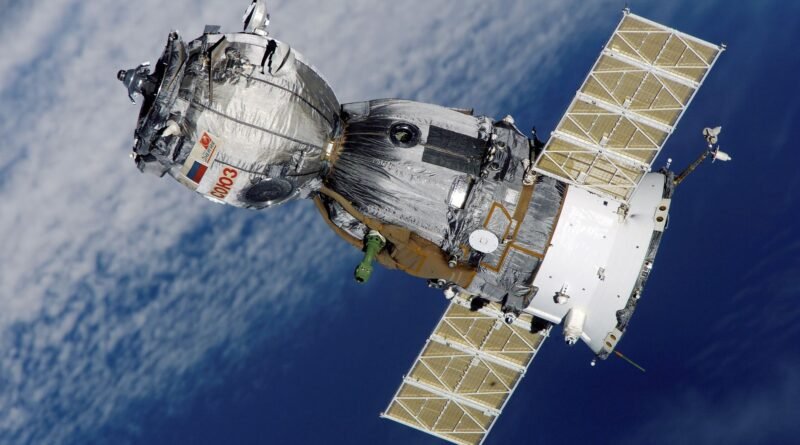
NASA spacecraft images: Stunning visuals before fiery end
NASA spacecraft images are captivating the world as the doomed craft beams back stunning cosmic visuals just weeks before its fiery plunge to Earth.
Introduction to the NASA spacecraft
NASA’s recent mission involving its spacecraft has captivated audiences worldwide with breathtaking visuals from the cosmos. As the mission nears its conclusion, the spacecraft has been transmitting a series of stunning images that showcase the beauty and complexity of our universe. These NASA spacecraft images not only highlight the technological advancements in space exploration but also serve as a reminder of the fleeting nature of such missions.
The spacecraft, equipped with advanced imaging technology, embarked on its journey to explore celestial phenomena and gather valuable data. Throughout its operational period, it has provided scientists with insights into our solar system, including detailed observations of planets, moons, and other celestial bodies. The mission was designed to last several months, but as it approaches its fiery end, the focus has shifted to the breathtaking images it continues to send back.
As the spacecraft prepares for its final descent, it has become a symbol of human ingenuity and the relentless pursuit of knowledge. The images captured during its journey encapsulate the awe-inspiring nature of space and serve as a testament to the hard work of countless scientists and engineers who made this mission possible.
In the coming weeks, enthusiasts can expect more spectacular NASA spacecraft images before the spacecraft meets its dramatic fate, plunging into the atmosphere, marking the end of a remarkable chapter in space exploration.
The stunning images captured
The recent mission by the NASA spacecraft has yielded a breathtaking collection of cosmic images that showcase the beauty of our universe. As the spacecraft nears its fiery conclusion, these stunning visuals offer a final glimpse into the wonders of space.
Among the highlights of the captured images are:
- Astral Landscapes: Vivid shots of distant nebulae and galaxies, illustrating the intricate patterns formed by cosmic dust and gas.
- Stellar Phenomena: Dynamic images of supernovae and black holes, revealing the powerful forces at work within the cosmos.
- Planetary Close-ups: Detailed photographs of planets and their moons, showcasing their unique surfaces and atmospheres.
These captivating images not only serve as a testament to the capabilities of modern space exploration but also highlight the importance of studying our universe. The NASA spacecraft images encapsulate the grandeur of celestial bodies that remain invisible to the naked eye from Earth.
As scientists analyze the data and visuals transmitted back from the spacecraft, they are reminded of the mission’s significance and the knowledge gained over its operational lifetime. With the end of its journey approaching, this array of stunning images will leave a lasting legacy in the realm of astronomy and space exploration.
What led to the spacecraft’s doom?
The demise of the NASA spacecraft was not sudden but rather a culmination of various factors that led to its eventual fiery end. Initially, the spacecraft was on a mission to gather data and capture stunning images of distant celestial bodies, contributing significantly to our understanding of the universe.
However, as with many missions, the challenges of space travel began to take their toll. Here are some key reasons that contributed to the spacecraft’s doom:
- Exhausted Fuel Reserves: The spacecraft had been operating for an extended period, and its fuel reserves were critically low, limiting its ability to maintain a stable orbit.
- Technical Malfunctions: Over time, various systems started to malfunction. These issues hampered the spacecraft’s ability to communicate effectively with mission control.
- Environmental Factors: The harsh conditions of space, including radiation and extreme temperatures, affected the integrity of the spacecraft’s components.
- Mission Timeline: The primary mission had reached its conclusion, making the continuation of operations impractical.
Despite the imminent end, the spacecraft managed to beam back breathtaking images of cosmic phenomena, showcasing its legacy as a remarkable achievement in space exploration. The stunning visuals captured by the NASA spacecraft images will continue to inspire future generations of scientists and astronomers.
The science behind the images
The recent images returned by the NASA spacecraft offer not only breathtaking visuals but also significant scientific insights into our universe. These NASA spacecraft images provide a unique window into cosmic phenomena that are often unreachable by ground-based telescopes.
One of the primary goals of the mission was to collect data that could enhance our understanding of celestial bodies. The spacecraft utilized advanced imaging technology to capture high-resolution photographs of distant planets, asteroids, and cosmic dust clouds. These images are critical for researchers seeking to decode the mysteries of space.
The process behind these stunning visuals involves multiple layers of intricate technology. The spacecraft is equipped with various instruments, including spectrometers and cameras, designed to analyze light from astronomical objects. This data helps scientists determine the composition, temperature, and motion of these celestial bodies.
Moreover, the images provide a platform for educational outreach, engaging the public in the wonders of space exploration. As these NASA spacecraft images circulate online, they inspire a new generation of scientists and enthusiasts alike, highlighting the importance of continued investment in space missions.
Ultimately, the scientific community anticipates that this wealth of information will pave the way for future missions, ensuring that even as the spacecraft meets its fiery end, its contributions to science and education will endure.
Public reaction to the visuals
The recent release of NASA spacecraft images has captured the imagination of the public, sparking an enthusiastic response across social media platforms. Many users have taken to Twitter, Instagram, and Facebook to share their awe and appreciation for the stunning visuals beamed back from the spacecraft just weeks before its anticipated fiery end.
Comments and posts highlight a range of emotions, from excitement to nostalgia, as people reflect on the incredible journey of the spacecraft. One user remarked, “These NASA spacecraft images remind us of how small we are in the universe, yet how connected we can feel.”
Another popular sentiment has been the call for more transparency and access to such breathtaking visuals, with many advocating for continued funding for space exploration. Among the most shared images are breathtaking views of distant galaxies, star clusters, and even detailed shots of celestial phenomena that have never been seen before.
Some critics, however, have voiced concerns about the focus on aesthetics over scientific value, prompting discussions about the balance between art and science in space exploration. Nevertheless, the overwhelming response leans towards appreciation, as enthusiasts express hope for future missions that will yield even more spectacular NASA spacecraft images.
The combination of stunning visuals and the impending end of the mission has created a poignant moment in space exploration, reminding us all of the fleeting nature of both scientific endeavors and the beauty of the cosmos.
Future of NASA’s space missions
The future of NASA’s space missions is set to evolve dramatically following the recent success of the doomed spacecraft that beamed back stunning cosmic images just before its fiery end. As scientists analyze the wealth of data collected, they are already looking ahead to upcoming projects that promise to push the boundaries of our understanding of the universe.
NASA has plans to launch several new missions aimed at exploring different celestial bodies and phenomena. Among these are:
- Artemis Program: This ambitious initiative aims to return humans to the Moon by 2024, paving the way for future Mars missions.
- James Webb Space Telescope: Scheduled for deployment, this telescope will provide unprecedented views of the cosmos and enhance our knowledge of distant galaxies.
- Europa Clipper: Launching in the 2020s, this mission will investigate Jupiter’s icy moon Europa for signs of life.
Additionally, the agency is investing in advanced technologies such as autonomous spacecraft and AI-driven analysis tools, which will allow for more efficient data collection and processing. The stunning visuals captured by the recent NASA spacecraft serve as a reminder of the beauty and complexity of space, fueling excitement and interest in future explorations. With each mission, NASA aims not only to uncover new scientific knowledge but also to inspire the next generation of explorers and scientists.
The breathtaking beauty captured in NASA spacecraft images showcases the vastness of our universe. As these missions come to a close, the stunning visuals before fiery end leave a lasting legacy of exploration.
Photo by Pixabay on Pexels